We often watch TV to escape the stress and pressure of real life. Yet sometimes viewers forget they’re watching fiction, which can lead to popular misconceptions about what actually happens in an emergency room, attorney’s office or police investigation.
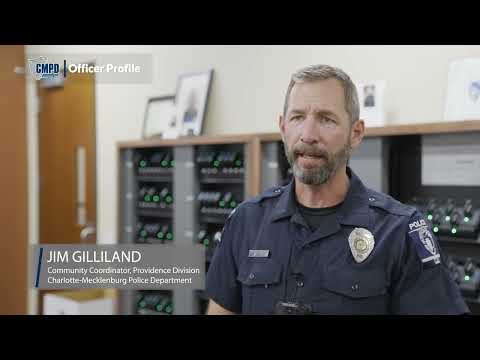
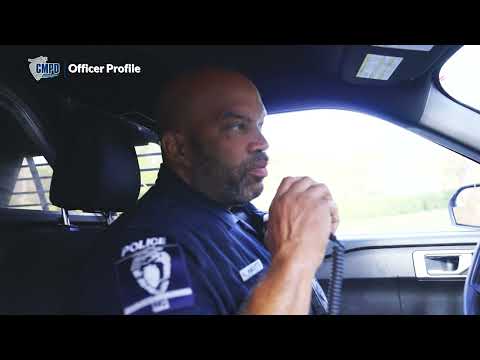
Henry McSwain is a sergeant in Charlotte-Mecklenburg Police Department’s Homicide Unit. We recently asked him what pop culture gets right and wrong about his team’s work. If you’ve ever wondered how accurately your favorite police procedural represents a day in the life of law enforcement, read on.
How true-to-life are shows like “Law & Order” and “The First 48”?
“The First 48” is the more realistic of these two. There is some back filming in “The First 48” to fill out a show, but for the most part, it’s real-time footage during an investigation. “Law & Order” does its best to show the relationship between law enforcement and the court system, but even this show has some manufactured drama to sell a watchable show.
Television shows create a false sense of time and evidence.
Most shows start and end within about 40 minutes when you factor in commercials. Homicide investigations go on for years. In some cases, we learn who committed the crime early in an investigation. In others, we have to work for it. Currently in Charlotte, the timespan from arrest to trial is about five years. That doesn’t mean cases sit for five years. During that time, detectives do their best to make cases stronger.
In shows like “CSI,” the characters collect evidence from everything and use multimillion-dollar pieces of equipment to recreate crime scenes. When people watch CSI, they come to expect this level of evidence processing. It’s just not available with real-world budgets and time constraints. Maybe one day, but not today. We call this “the CSI effect.” We know we must collect as much physical evidence as we can because juries expect to see it now. This has a negative effect in court, as not as much weight is put on verbal witnesses.
What do TV shows exaggerate or dramatize most compared to real life?
They most exaggerate evidence collection and the time it takes to process evidence.
Also, when police shootouts happen in shows, the characters involved are allowed to leave and move on to the next shootout. In the real world, this would never happen. Each officer involved in a shooting is investigated and they’re placed on modified assignment until the shooting has been adjudicated. This takes weeks to months. Shows last 40 minutes. They can’t have their main character out for the season while their shooting is investigated.
What challenges or behind-the-scenes work do viewers not see in these shows?
Viewers don’t see the missed birthdays, holidays and family events. They aren’t privy to the lack of sleep, the emotional toll experienced by families and detectives, the turmoil within suspects and how detectives deal with it. Finally, viewers don’t see the constant workflow. There is always something to do. Most days there is so much you don’t know what to pick.
Do you think police shows help educate viewers about your work, or create misconceptions?
I believe they create more misconceptions than educate their audiences.
Laws vary from state-to-state. Someone hearing about a life conviction or death penalty in a show often leads to a very dramatic letdown when a family is faced with the reality that the suspect in their loved one’s murder will do less than 10 years in prison. This is the most heartbreaking interaction to watch. Every detective wishes they could mend a family’s brokenness with more prison time.
It takes the crime lab many weeks – if not many months – to process evidence in a case. Detectives have to get out of the office and go find witnesses or serve search warrants and court orders to get information to advance their case while waiting on lab results.
Are there any law enforcement shows you think get it (mostly) right?
“Bosch” and “The Wire” get more right than most – not all right, but more than most. Other shows have moments of truth within them. That’s because they hire consultants who know (or think they know) the job. In the end, though, they have to create drama that sells.
Accelerate your career here
Ready to join the men and women of CMPD? Start your new trainee, lateral entry or intermediate entry application today.
. . .