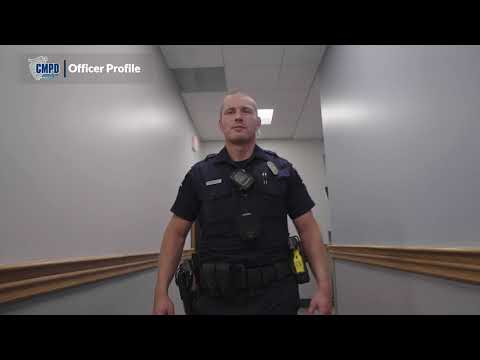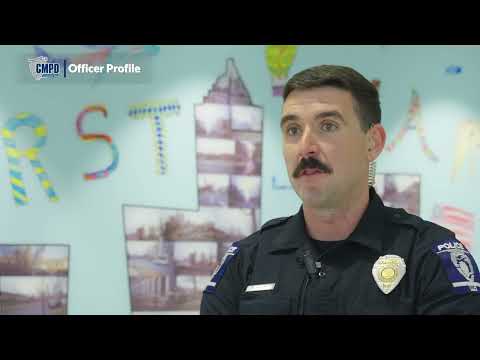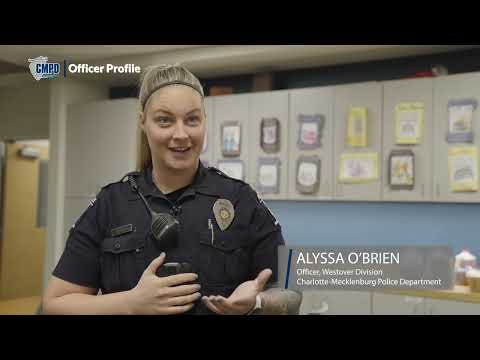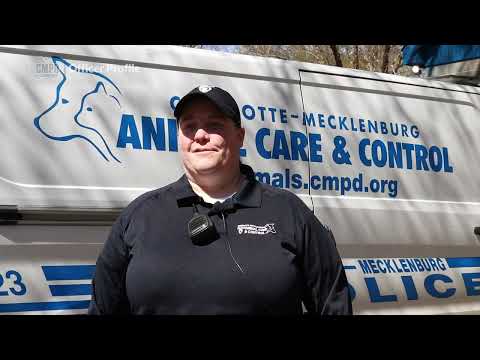
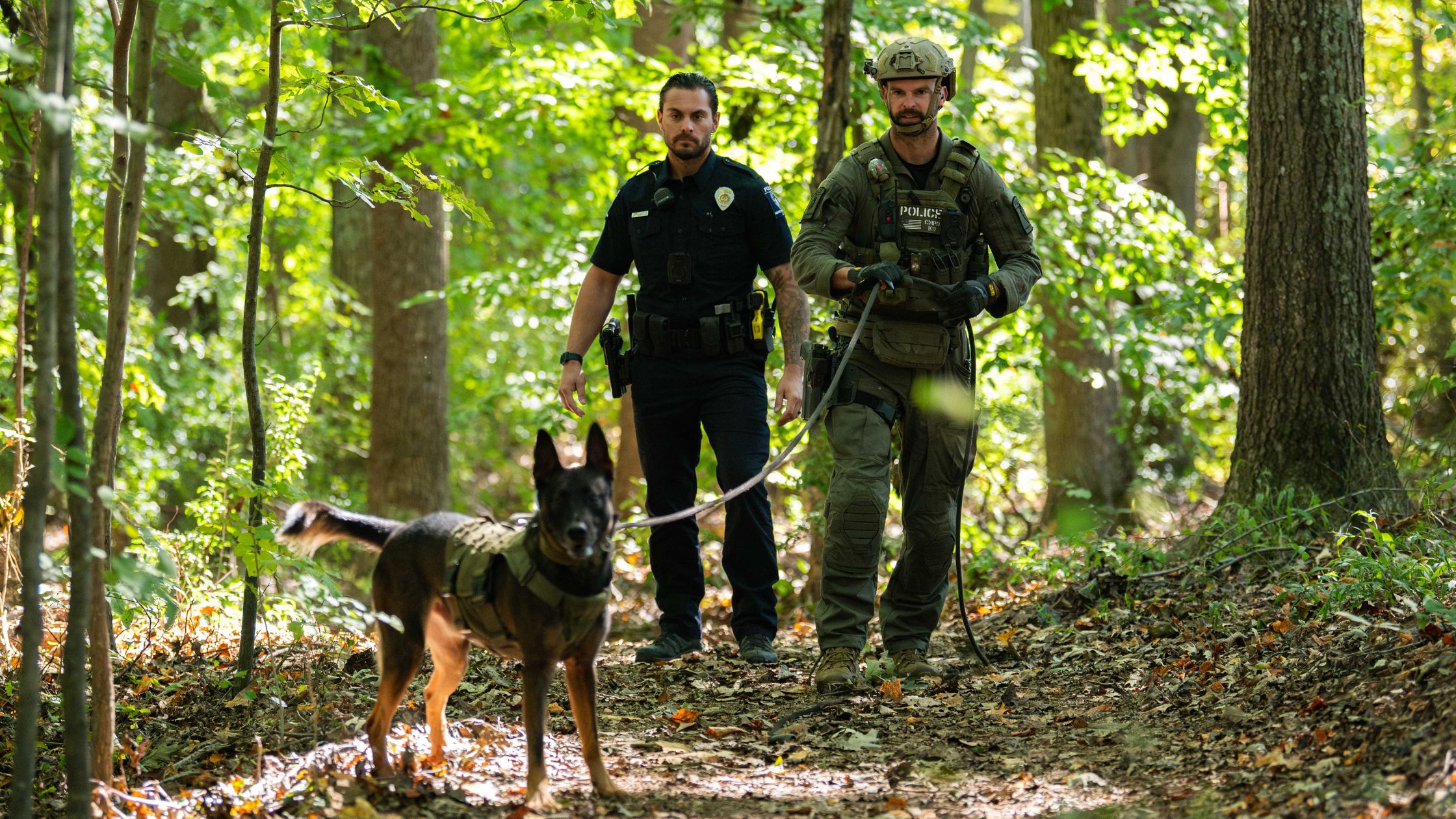
Charlotte-Mecklenburg Police Department’s Canine (K9) Unit is one of more than 30 specialized teams that offer officers ways to advance, stay energized and take on new challenges throughout their careers. These highly trained officers work side-by-side with their K9 partners to detect narcotics, explosives and firearms; track missing and wanted persons; and support patrol and tactical operations.
Whether it’s responding to high-risk incidents, securing major public events or locating critical evidence, these human-working dog teams are on the front lines every day – and their efforts don’t go unnoticed. CMPD K9s have earned national recognition, including the Homeland Security Investigations Task Force Officers of the Year Award for helping seize large amounts of illegal drugs in 2024, and a donation from the PGA TOUR’s International Team in appreciation for keeping players and fans safe during the Presidents Cup in 2022.
Here’s an inside look at what it takes to be part of this elite unit from Sgt. C.R. Leggett:
Why did you choose to join CMPD’s K9 Unit?
I’ve always had a deep respect for working dogs and saw firsthand the incredible role they play in law enforcement. I wanted to be part of a unit where I could work closely with a partner I could trust with my life — and who trusts me just as much. The teamwork between handler and K9 is unlike anything else in the department.
What strengths or skills make someone a good candidate for your unit?
Patience, discipline and consistency are key. You need strong decision-making skills, plus the ability to stay calm under pressure. And, because the dog lives with you, a love for animals and a willingness to commit to 24/7 responsibility is essential.
What additional training, education or certifications are required?
Before joining the K9 unit, you need several years of patrol experience. Once selected, you’ll go through a K9 handler course right here at CMPD. It covers obedience, tracking, detection and apprehension techniques. Certifications depend on the dog’s specialty — for example, narcotics, explosives or firearms. We recertify regularly with the National Police Canine Association.
What was your path to this unit?
Prior to joining the K9 Unit, my previous assignments included patrol, the Crime Reduction Unit (CRU), the Tactical Repeat Offender Apprehension Program (TRAP, now the Crime Gun Suppression Team, or CGST), and Special Weapons and Tactics (SWAT).
What’s the most common misconception people have about what you do?
Many people think the dogs are aggressive all the time or only used for chasing suspects. In reality, our K9s are highly trained members of our team that can do everything from sniffing out explosives to finding missing persons. They’re not just “bite dogs.” They’re intelligent and versatile assets with their own individual personalities.
What do you wish more people knew about your expertise?
How much time, effort and precision goes into training these dogs and maintaining that training. It’s not just showing up and putting the dog to work. We train constantly. And the connection between handler and dog is deep. It’s a relationship built on trust, not just command.
What advice would you give to someone interested in pursuing a career in a specialized unit?
Get experience on patrol first to really understand the fundamentals of police work. Learn from others in specialized units. Ask to observe, volunteer when you can and be a sponge. Build a strong work ethic, stay disciplined and don’t shy away from hard work.
Learn more about CMPD’s specialized and civilian units in our previous Q&As with detectives and leadership from the department’s Crime Scene, Criminal Intelligence, Domestic Violence, Homicide and Real Time Crime teams.
Accelerate Your Career Here
Ready to join the men and women of CMPD? Start your new trainee, lateral entry or intermediate entry application today.