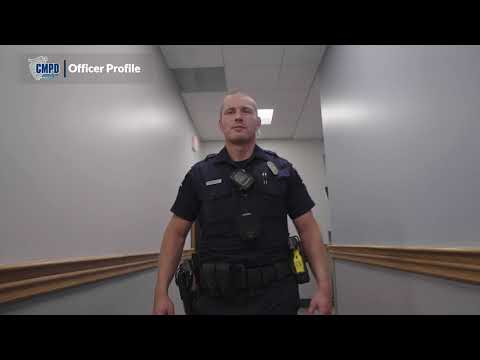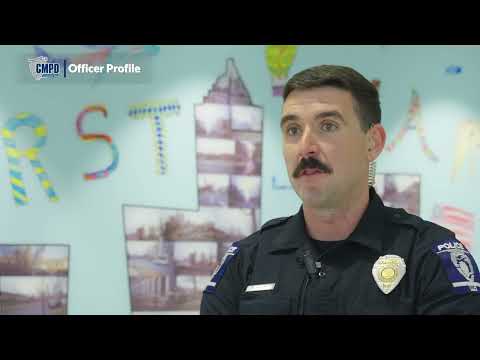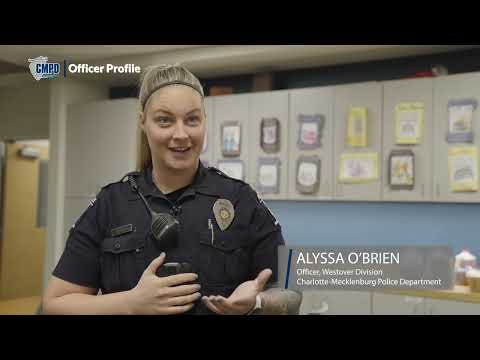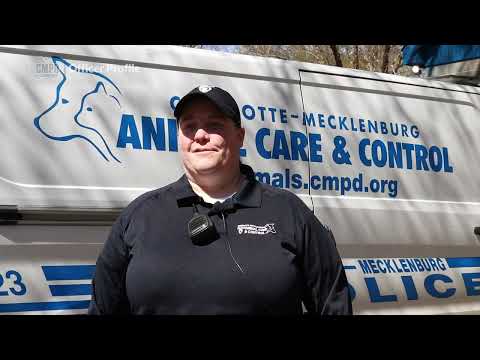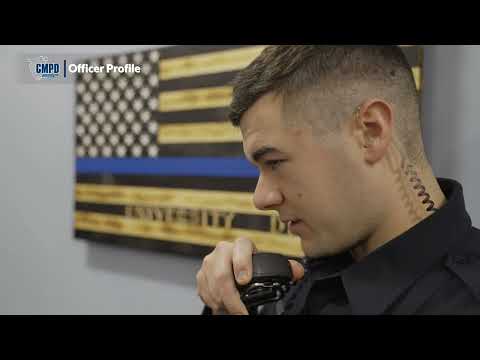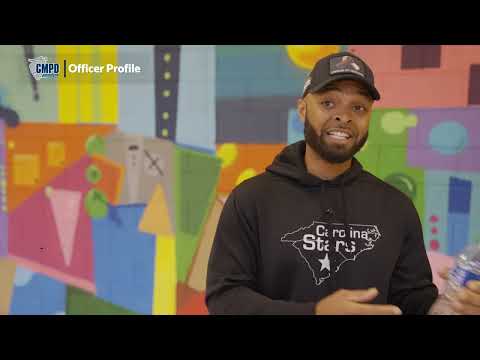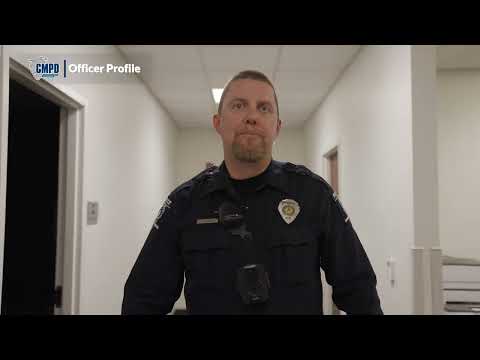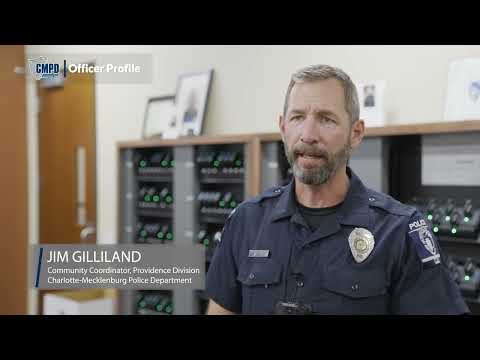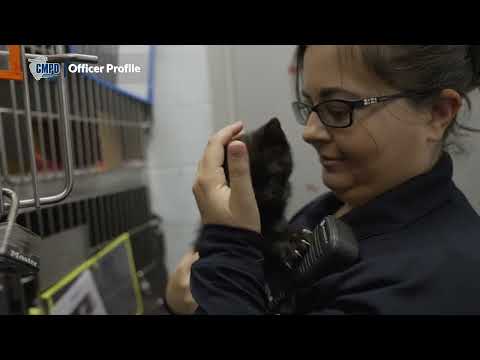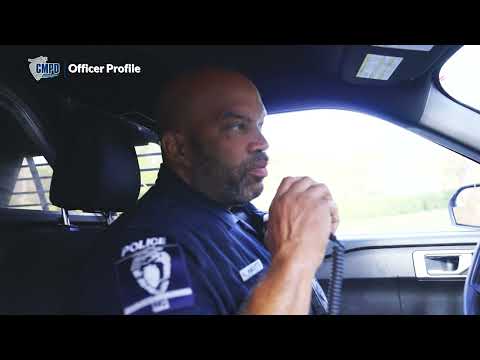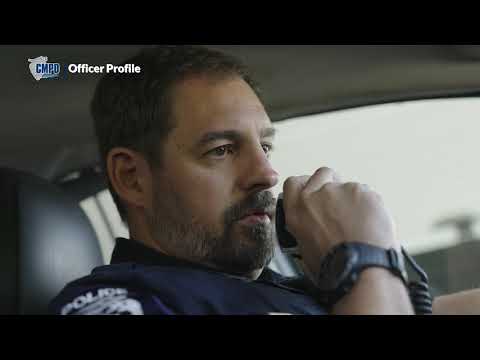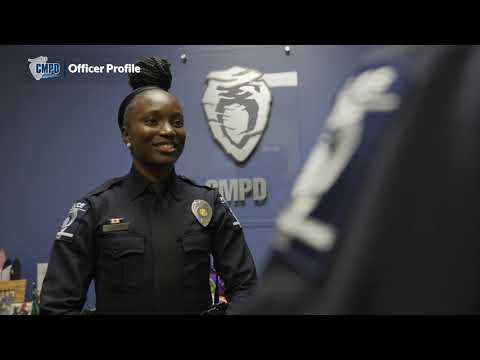
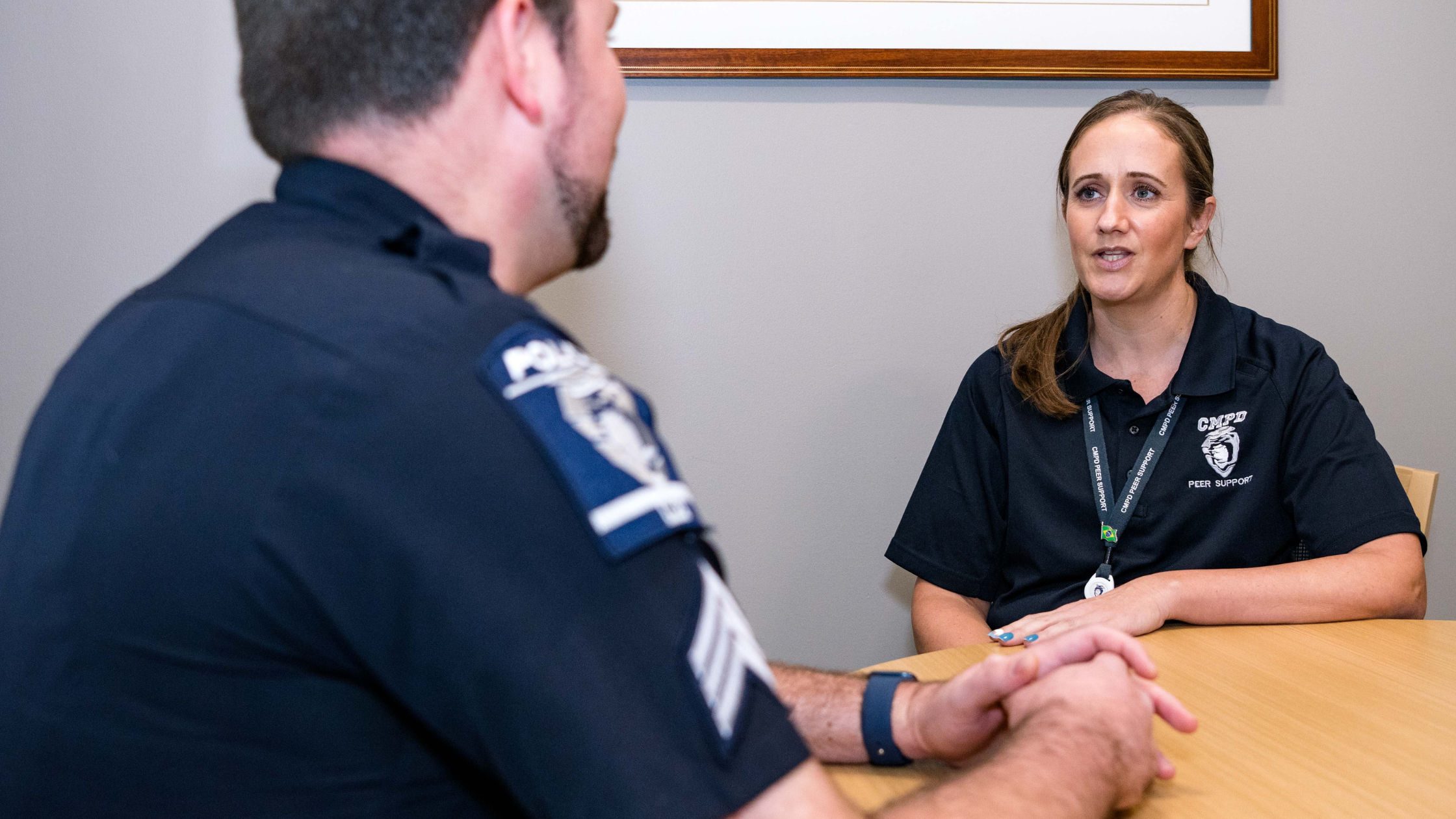
Starting a law enforcement career is rewarding. It’s also demanding, both physically and emotionally. At Charlotte-Mecklenburg Police Department, support doesn’t stop with your training or your chain of command. The Peer Support Program was created to offer a safe, confidential way for officers and staff to connect with trusted colleagues during tough times. Whether you’re dealing with personal challenges, job-related stress or just need someone who “gets it,” peer support is here.
Lieutenant Amy Wheaton leads the CMPD/Employee Support and Development Unit under the Learning and Wellness Service Group. As she shares, this program is more than a service — it’s a lifeline built by officers, for officers.
What was the original motivation behind creating the Peer Support Program at CMPD?
The program was developed to create a safe and accessible support system within the department, recognizing that officers are more likely to turn to trusted colleagues during times of stress. The goal was to provide a structured, confidential way for employees to receive emotional support from peers who understand the unique pressures of the job.
How is the program structured?
It operates under the Office of Employee Wellness, and is supervised by a lieutenant and supported by the clinical team. We maintain a team of more than 100 peer supporters, both sworn and non-sworn (professional) roles, representing a variety of ranks and assignments. There is also a specialized team trained to respond to officer-involved shootings (OIS) and provide ongoing follow-up. Peer support complements our clinical services and our team works closely with our chaplains, offering a layered support model.
How are peer support officers selected and trained?
Potential candidates are nominated or apply voluntarily, and then go through an interview and vetting process. Once accepted, they complete initial training in crisis intervention and peer support best practices. They also attend quarterly continuing education sessions and have the opportunity to receive advanced training in crisis response.
What characteristics do you look for in members of the peer support team?
We look for individuals who are empathetic, respected by their peers, are able to maintain confidentiality, and are in good standing within their assigned role in the department. A strong peer supporter is a good listener, remains calm under pressure and is willing to serve others without judgment. Diversity in background and assignment is also important to ensure we can offer relatable support across the department.
How many officers currently serve as peer supporters?
Currently, we have over 100 peer support members, with representation from all divisions, including sworn and non-sworn personnel.
What types of issues or challenges do officers typically come to peer support with?
Officers reach out for support on a range of issues, including family stress, work-related trauma, organizational concerns, burnout, interpersonal conflict, grief and personal mental health concerns. Sometimes they just need someone to talk to who understands the job.
How does peer support differ from clinical services or chaplain services?
Peer support is about connection and shared experience. It’s informal, relational support. Clinical services offer professional mental health support and are often used when someone needs a deeper level of care. Chaplain services, on the other hand, provide spiritual support and guidance. Together, they form a well-rounded system that gives employees options based on their needs.
How do you maintain confidentiality and build trust within the program?
All peer supporters are trained in confidentiality and required to follow strict ethical standards. Confidentiality is not just a best practice — it’s protected under North Carolina law for officially designated peer support team members. This legal protection reinforces to employees that what they share will not be disclosed without their consent, except in cases where there is a risk of harm to self or others. We emphasize this during training and department outreach to ensure employees know they can trust the program and feel safe seeking support.
What would you say to a recruit who’s unsure about talking to a peer support officer?
I’d say: You don’t have to be in crisis to talk to peer support. We’re here to listen, not to judge or report. Talking to someone who understands what you’re going through can make a big difference. Sometimes a conversation with a peer is the first step toward feeling better or getting the support you need. Peers on the team are also well-versed and regularly updated on current resources offered at the department. Even if you are not ready to share details of your situation, they can point you in the direction of where to find resources that may help you out.
What does it mean to you to lead this program?
It is a true honor to be considered the leader of this group. Everyone on the team has a willingness to serve and to go above and beyond their required duties to help a friend in need. It is humbling to watch this team support their fellow employees through difficult times, often while going through struggles of their own. This program represents the heart of what we’re trying to build in the Office of Employee Wellness — a culture of care within law enforcement. If our efforts make a difference in even one employee’s life, then everything we’ve done is worthwhile.
Accelerate your career here
Ready to join the men and women of CMPD? Start your new trainee, lateral entry or intermediate entry application today.