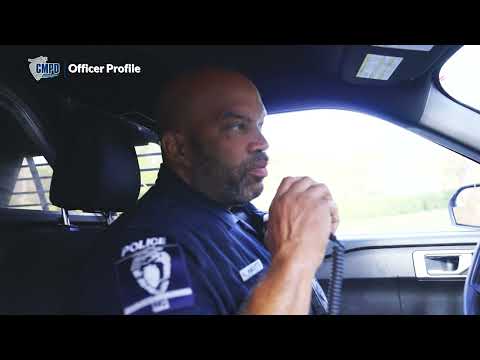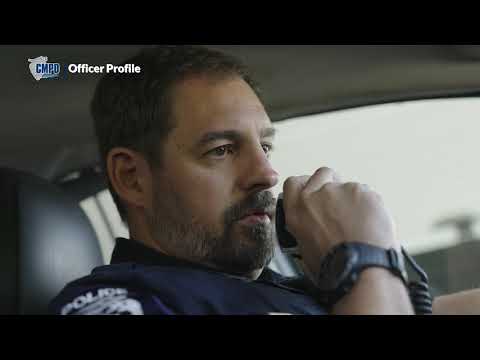

Your success as a law enforcement officer will depend on many things. Chief among them: how you navigate adversity and stress. And we’re not just talking about the traumatic events and high-pressure incidents you may encounter in the field. We’re also talking about everyday challenges like feeling overwhelmed, struggling to communicate with a loved one or citizen, or falling short of your own expectations.
In partnership with the Charlotte-Mecklenburg Police Foundation, CMPD recently introduced the Clinical Care Access Pilot program (CCAP) to reduce financial barriers to mental health care for sworn and non-sworn full-time CMPD employees. CCAP covers fees related to insurance copays, deductibles and counseling services not covered by personal or departmental insurance.
We asked CMPD Senior Behavioral Health Specialist Ashley Higgins how recruits can build mental resilience during their time in the Training Academy and beyond. Here’s what she said:
5 TIPS TO ACE YOUR MENTAL HEALTH
What should recruits know about the role mental health plays in their well-being?
While physical fitness often takes the spotlight in discussions about well-being, let’s not forget the importance of mental health. Just as staying physically fit is crucial for our duties, so is maintaining our mental well-being. Your mental health affects decision-making, communication and stress management. These are key aspects of effective policing.
And when it comes to family, being mindful of their mental health and offering support builds a strong support network, vital in our line of work. Remember, prioritizing mental health isn’t about weakness. It’s about proactively ensuring you are at your best.
The Academy can be an overwhelming, stressful time. What can recruits do to stay grounded, balanced and focused in training?
Let’s keep it simple: Stick to the priorities outlined below.
If you find yourself still struggling to stay grounded, balanced and focused, remember, it’s perfectly okay to call for backup. Counseling offers a valuable opportunity to acquire new skills and pinpoint areas where our current approach might not be aligning with our goals.
Prioritize Sleep
Research consistently shows the importance of adequate sleep for cognitive function, emotional regulation and overall well-being. Aim for 7 to 9 hours of quality sleep each night to support optimal performance during training.
Practice Stress Management Techniques
Evidence suggests that regular practice of stress management techniques such as mindfulness meditation, deep breathing exercises or progressive muscle relaxation can reduce stress levels and enhance resilience. Incorporate these techniques into your daily routine to help manage the demands of training.
Cultivate Social Support
Studies indicate that social support plays a significant role in buffering the effects of stress and promoting psychological resilience. Foster connections with your fellow recruits and instructors, and maintain supportive relationships with friends and family outside of the Academy. Sharing experiences and offering mutual support can help you navigate challenges more effectively.
Do you have advice for recruits navigating whether they can manage their mental health alone or would benefit from connecting with you?
Signs I would look out for, both in yourself or others, would be:
- Feeling persistently sad
- Having trouble sleeping
- Finding it hard to concentrate
Additionally, pulling away from friends, experiencing unexplained physical symptoms or having difficulty making decisions could indicate that something isn’t quite right with your mental well-being.
Talking about these things and seeking support is key. Find someone you trust, whether it’s a family member, peer or spiritual figure, and open up about what’s going on. Sometimes, simply talking about your feelings can help release some of the pressure. However, if you notice that your symptoms aren’t improving, know that connecting with counseling can be a great way to gain perspective and move toward feeling better.
What would you say to recruits concerned that taking advantage of the department’s behavioral health benefits might make them seem “weak”?
It’s completely understandable for recruits to feel hesitant about reaching out for behavioral health support, as it can be perceived as vulnerability or weakness.
In reality, admitting that you need help and seeking support takes an immense amount of strength and courage. It’s often much easier to ignore our struggles or attempt to cope with them alone. However, true growth and resilience come from being able to put down the magnifying glass, pick up the mirror and examine ourselves honestly.
By acknowledging our vulnerabilities and seeking help, we demonstrate a willingness to confront our challenges head-on and work toward improvement. This process of self-reflection and seeking support is a testament to our inner strength and determination to become the best versions of ourselves, both personally and professionally.
What else is important for recruits and new officers to know?
The biggest thing I want all employees to understand is the meaning of “confidentiality” and how it works when reaching out to my teammate and therapist Shannon Slauson and me.
It’s crucial to know that, as licensed therapists, we adhere to strict confidentiality standards, both legally and ethically. When someone reaches out to us for mental health support, their privacy is paramount. Under most circumstances, we cannot share any information disclosed to us with anyone else. The only exceptions to confidentiality are situations where someone is in imminent danger of killing themselves or others, or if they disclose first-hand knowledge of abuse involving vulnerable populations such as the elderly, disabled adults or children.
This commitment to confidentiality ensures a safe and trusted environment for individuals to seek the help they need without fear of personal information being shared without consent.
For more information about services and support available through the CMPD Office of Employee Wellness, call (704) 432-6067 or email officeofwellness@cmpd.org.
Accelerate your career here
Ready to join the men and women of CMPD? Start your new trainee, lateral entry or intermediate entry application today.