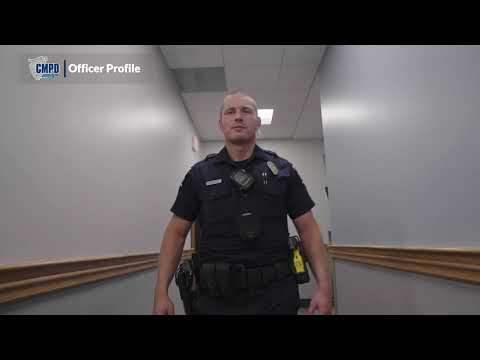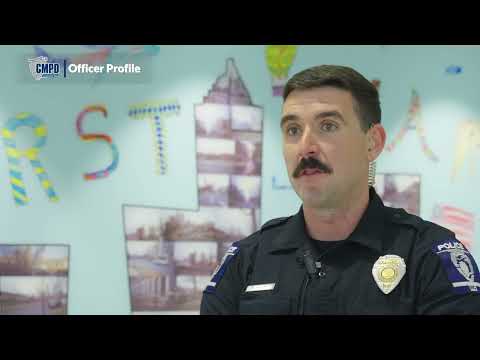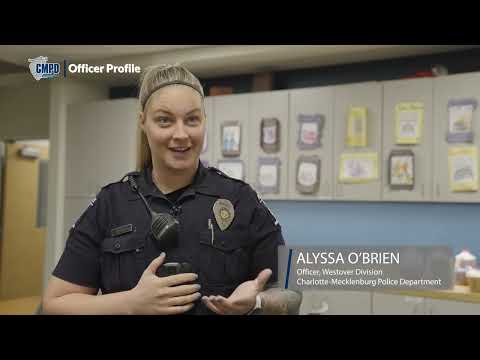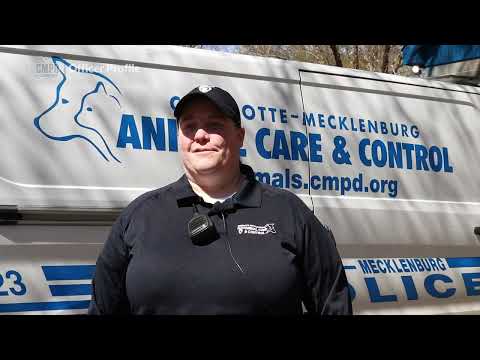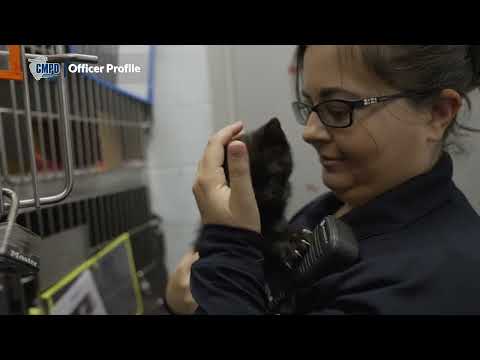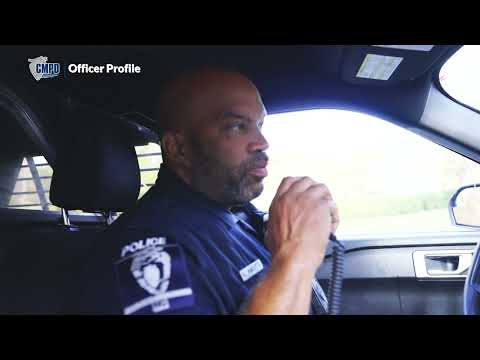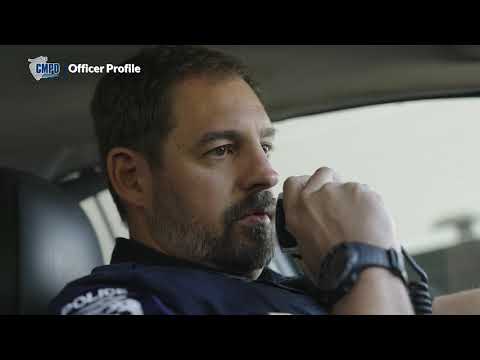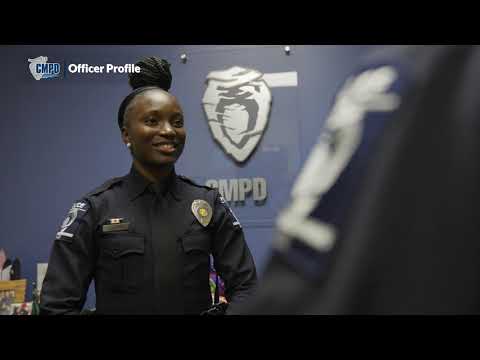

From presidential visits to major national events, the Charlotte-Mecklenburg Police Department’s Dignitary Protection Unit has earned recognition for its expertise in keeping public officials safe. According to the United States Secret Service, CMPD has handled more presidential visits than any other agency in the country in recent years. The Secret Service also recognized the Dignitary Protection Unit for its outstanding work during the 2024 presidential campaign season.
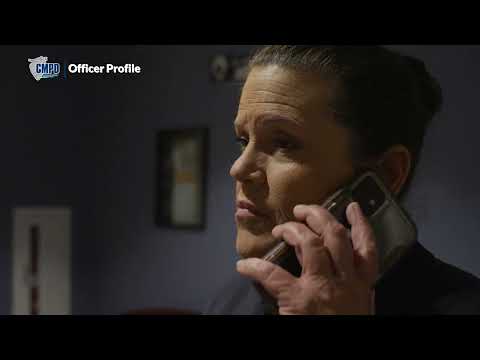
But protecting dignitaries involves far more than what the public sees. In this installment of our “Behind the Badge” series, Officer Holly Lawton takes us behind the scenes to explore the planning, precision and teamwork required to keep dignitaries safe while allowing them to connect with the communities they serve.
Tell us about a typical day or week in the Dignitary Protection Unit.
A typical day starts well before any movement begins. We kick off with daily briefings to review the latest intelligence and perform equipment checks, ensuring everything from communications to vehicles is 100% operational.
Throughout the week, my focus shifts between planning and execution. I spend a large amount of time on “advance” site surveys and route planning for upcoming events, often coordinating directly with city agency partners to ensure a unified security footprint. Site surveys allow us to identify potential hazards before they become threats. When we are on-site at scheduled appearances, my role involves implementing protective posts and managing vehicle security to maintain the dignitary’s safety.
To wrap up, I prioritize follow-up reports and paperwork. I also maintain regular liaison meetings with my supervisors and external partners. Paperwork and briefings are critical for security and safety. Reviewing is necessary for assessing what went well and where we can tighten our protocols for the next operation.
What do you enjoy most about your work as part of the Dignitary Protection team?
What I find most rewarding is the high level of professional trust within our team. We work in an environment where “zero-failure” is the standard, so being part of a skilled group that can anticipate needs before they arise is rewarding. I take a lot of pride in quietly managing risks behind the scenes. When we execute a plan through meticulous site surveys or quick, split-second decisions, it creates a secure “bubble.” This allows the mayor or dignitaries to focus on engaging the community and the public without distraction. Knowing that our preparation reduces stress on the dignitary and allows them to do their jobs effectively is why I enjoy this work.
What strengths or skills make someone a good candidate for your unit?
In the Dignitary Protection Unit, the most successful candidates possess a balance of technical skills and critical soft skills. This includes:
- Mental readiness: possessing situational awareness and the ability to perform threat assessments in real-time
- Situational agility: Being able to make sound decisions under pressure because the environment can change quickly
- Tactical proficiency: being skilled in defensive tactics and tactical medical skills
- Professional reliability: detailed planning during the “advance” phase, and clear communication during an operation
- Discretion always: we are often in the room for private conversations and maintaining trust is as important as the physical security we provide
What’s the most common misconception people have about protecting dignitaries?
The most common misconception is that our work is only about “visible bodyguarding,” the physical presence seen in a motorcade or at a podium. People often think the job starts when the dignitary steps out of the car. The most critical part of what we do is invisible. It’s the hours of advanced planning, intelligence reviews and inter-agency coordination that happen days before an event. Our goal is proactive risk mitigation, by identifying a threat and neutralizing it through route planning or site surveys so that an incident doesn’t have the chance to occur.
What do you wish more people knew about your expertise?
I wish more people understood that this position isn’t just about creating a “hard perimeter,” but it’s about balancing safety with accessibility. A principal or public official’s job is to engage, and if we make them feel unreachable, we haven’t succeeded. By balancing advanced work and crowd dynamics, it allows me to create a secure environment where the public official can still be approachable. By using subtle positioning, we can manage a crowd effectively without creating a sense of restriction, ensuring the official is safe while making sure the public feels they still have access.”
What advice do you have for someone who wants to work in a specialized unit?
My primary advice is to be rooted in the fundamentals of patrol first. Build on the foundation of being a top-tier officer and combine that with excellent communication skills and defensive tactics. Beyond the basics, I would say focus on preparation. Don’t wait for a slot to open but maintain physical and mental readiness now. Build professional relationships across different agencies and learn from experienced officers.
See more from the Behind the Badge series
Learn more about CMPD’s professional roles and specialized units in our previous Q&As with detectives and leadership from:
Community Engagement Division
Criminal Intelligence
Crime Scene Investigation
Domestic Violence Unit
Homicide Unit
Juvenile Crime Team
K9 Unit
Real Time Crime Center
SWAT Team
Telecommunications
Accelerate your career here
A career with CMPD gives you the chance to serve one of the nation’s fastest-growing cities while building a meaningful, dynamic future. From comprehensive training to diverse career paths, you’ll find opportunities to grow, lead and make a difference.
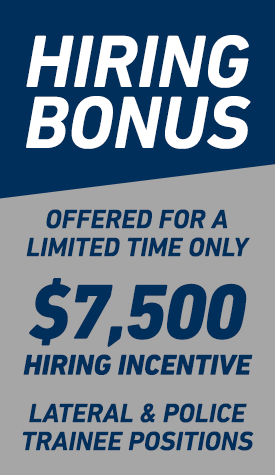
Ready to join the men and women of CMPD? Start your new trainee, lateral entry or intermediate entry application or browse open professional positions.