In 2025, incidents involving juvenile suspects decreased 11% in Charlotte. That’s in no small part due to the work of two specialized teams focused on deterring and preventing youth crime.
Charlotte-Mecklenburg Police Department’s Juvenile Priority Offender Strategy Team (JPOST) aims to prevent juvenile crime, while the Juvenile Accountability Diversion Empowerment (JADE) team focuses on holding young offenders responsible for their actions. Together, they monitor the city’s most at-risk youth and provide resources to them and their families to prevent recidivism. The goal is to help and empower juveniles to turn their lives around for the better, while still holding them accountable for their actions.
In the time since they were formed in 2024, JPOST and JADE have made significant strides in reducing juvenile crime, including a 19% decrease in juvenile property crime suspects and a 9% drop in juvenile violent crime suspects in 2025.
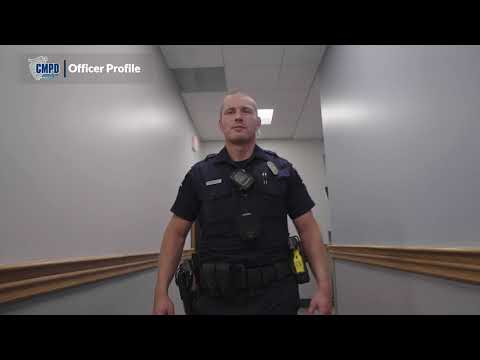
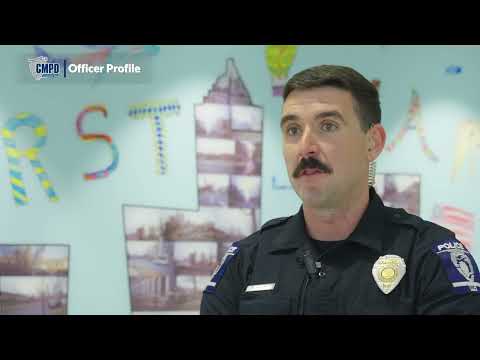
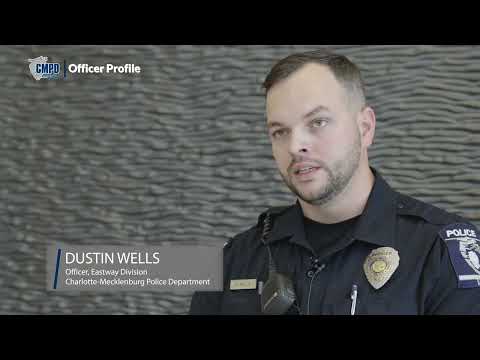
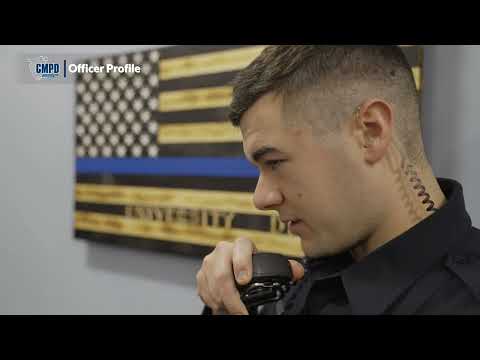
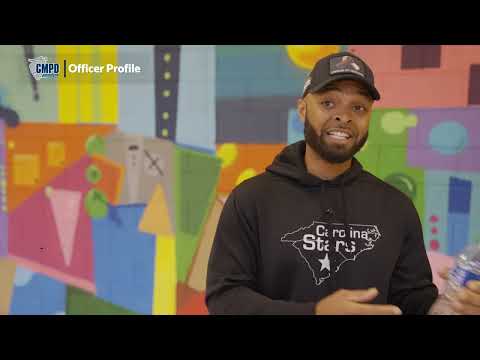
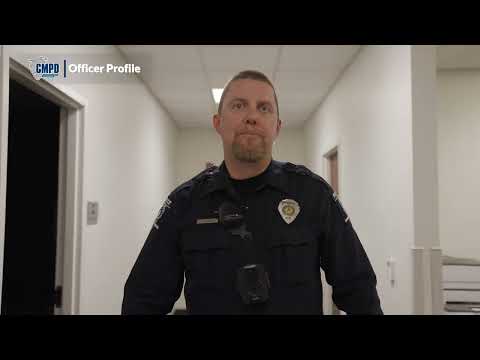
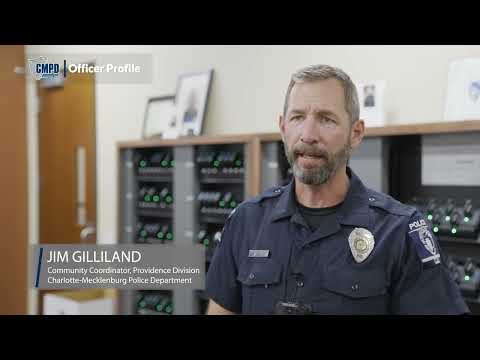
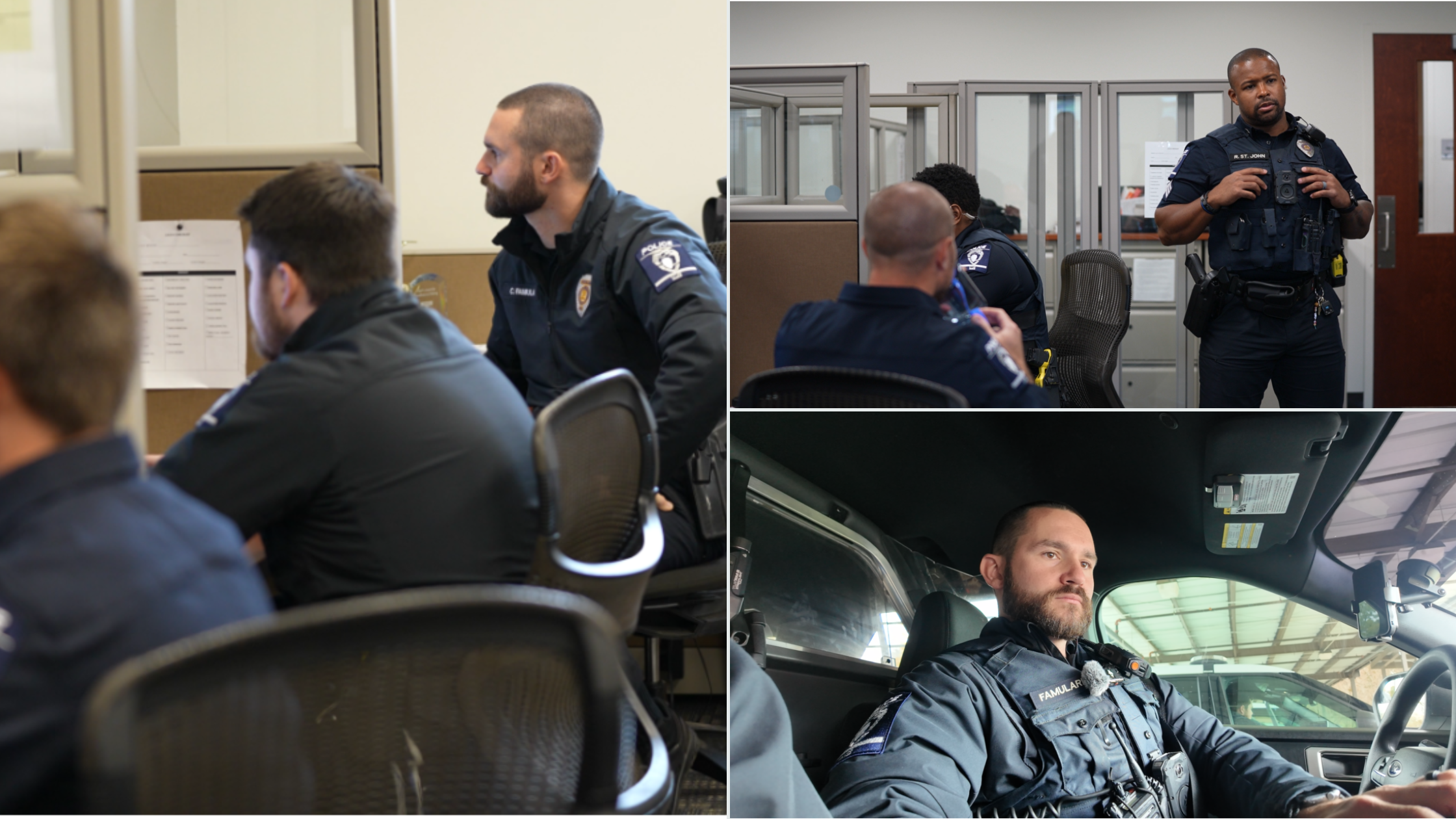
Officers Rey Jean-Jumeau and Owen Bailey serve as part of the JPOST and JADE teams respectively. Here, they share more about their work in a CMPD specialized unit:
Tell us about a typical day or week in JADE and JPOST.
OFFICER JEAN-JUMEAU: A typical day in JPOST starts with going over the data that has been distributed by Crime Analysis to determine if any JPOST offenders or juveniles emerging in the system have engaged in any criminal activity. If so, we will do a home visit and contact the Department of Juvenile Justice (DJJ) to determine the juvenile’s status. Then we contact the juvenile’s guardian to see if any resources are needed to prevent the juvenile from reoffending.
During the week, we also attend juvenile court for JPOST offenders or any emerging juvenile that has potential for reoffending in our service area. We also provide information for the juvenile assistant district attorney in the courtroom, and obtain information and provide an outcome to investigating officers, detectives and divisions in which an offense may have occurred.
OFFICER BAILEY: A week in JADE is highly dynamic. One moment, you may be conducting surveillance or a home visit with a juvenile. The next, you could be in a pursuit or executing a search warrant on a residence. Each day, we determine who we will focus on, whether for an apprehension, or building a case on a prolific juvenile who might be a person of interest in other crimes.
One of JADE’s primary roles is that of an investigative and apprehension unit, with a strong emphasis on building and maintaining relationships with parents and the juveniles themselves. Throughout our day, we are in contact with juveniles’ parents, who come to us for assistance with their child, or the parents assist us with safely apprehending the juveniles when necessary.
What do you enjoy most about your work in JADE?
BAILEY: I enjoy the connections we frequently make. We often work with outside agencies and other specialized units within CMPD. We also make connections with the community where we have received information that may not have been readily available otherwise.
What strengths or skills make someone a good candidate for JADE or JPOST?
BAILEY: There is a big emphasis on relationships in JADE, so it’s important to be able to talk to people. This allows you to build trust with parents and juveniles so we are able to assist them or, if necessary, safely apprehend them in the future.
JEAN-JUMEAU: A good candidate for JPOST would have a good work ethic and require minimal supervision. A candidate should also be able to write clear reports and have good people skills, as we work with multiple agencies and professionals in the field.
What drew you to work for CMPD, specifically?
BAILEY: I’ve been with CMPD my entire law enforcement career. What drew me to CMPD versus other local agencies was opportunity. There are many opportunities within CMPD, whether in specialized units, different investigative roles or promotion through the ranks.
What was your path to JPOST?
JEAN-JUMEAU: My previous role was a youth crimes detective. As a detective, I worked on a lot of sensitive cases that taught me how to clearly detail my work in my reports and bring resolution to a lot of cases, some of which were high-profile.
I also worked with numerous families and multiple agencies in my role as a detective, which made me a well-rounded officer and helped guide me into this role. I’ve worked as a reserved school resource officer, I’ve taught D.A.R.E. education to the youth, and I have also worked all shifts on patrol in different divisions. Dealing with different classes of people helped develop my skills to work with people in different stages in their lives.
What’s the most common misconception people have about what you do?
JEAN-JUMEAU: The most common misconception is that my job is easy and my only function is attending court. Depending on the week, that may be so. However, my days consist of plenty of other things, such as helping families, attending meetings and mandatory training.
BAILEY: I think one of the most common misconceptions about what JADE does is that we just arrest juvenile suspects who have secured custody orders (SCOs). Though we do sometimes arrest SCOs, we often conduct independent investigations of our own and collaborate with detectives to solve specific cases or crime sprees. We are encouraged to take initiative on priority juvenile offenders to prevent future crimes. This could mean charging them with a firearm they possess or working with the parents to get the juvenile the help he or she needs.
What do you wish more people knew about your expertise?
JEAN-JUMEAU: This role requires a lot of patience. A person in this position needs to stay current with new laws regarding juveniles to provide the proper advice to those who may have questions when determining how to move forward with juvenile cases.
What is the most rewarding part of working in JADE?
BAILEY: One of the most rewarding parts of being on JADE is getting illegal firearms out of the hands of juvenile offenders. Frequently, when we get a firearm off of a juvenile, it will connect to other shootings or series. This can help close cases or series. It can also help prevent future crimes with the same firearm.
What advice would you give to someone interested in a career in a specialized unit?
JEAN-JUMEAU: Get to know the people in the unit that you are considering. Do a ride-along with the unit to see if it’s something you’re really interested in, because sometimes things look different from the outside. Also, educate yourself on the functions of that unit. Practice them in your current role or volunteer for things that will help you obtain the position you are pursuing.
Learn more about CMPD’s professional roles and specialized units in our previous Q&As with detectives and leadership from the department’s Crime Scene Investigation, K9, Real Time Crime Center, Criminal Intelligence, Homicide, Domestic Violence and Telecommunications units.
Accelerate your career here
A career with CMPD gives you the chance to serve one of the nation’s fastest-growing cities while building a meaningful, dynamic future. From comprehensive training to diverse career paths, you’ll find opportunities to grow, lead and make a difference.
Ready to join the men and women of CMPD? Start your new trainee, lateral entry or intermediate entry application or browse open professional positions.